

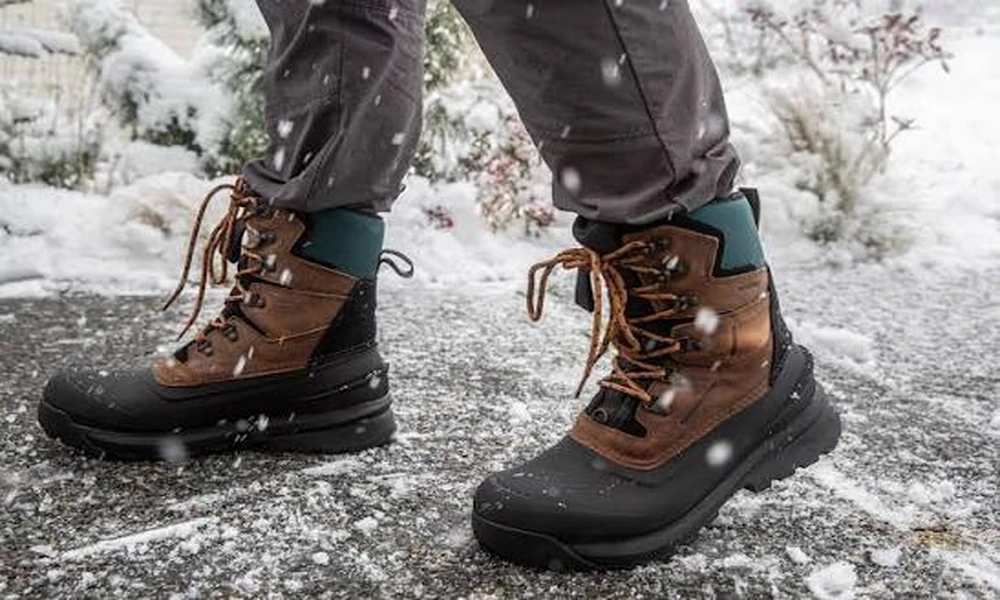
Shopping for heavy-duty, weather-resistant active boots is not as straightforward as picking the best-looking pair on the shelf. The right boots need to protect your feet across tough terrain, hold up through changing seasons, and actually fit the way your feet move. This checklist covers everything worth checking before making that purchase. For shoppers who want durability without giving up style, Inc 5, women’s casual shoes remain a strong example of how both qualities can exist in one pair.
1. Start With the Sole
The sole is the foundation of any active boot. A weak sole on rough or wet terrain creates real safety problems, not just discomfort. Before buying, check for:
- Deep lug patterns that grip mud, gravel, and slippery wet surfaces properly
- Rubber outsoles carrying a genuine slip-resistance rating
- Shock-absorbing midsoles that reduce pressure on knees and joints over long distances
- Heel-to-toe drop that suits the specific activity; trail hiking versus casual walking needs differ
Poor traction underfoot is a hazard that no amount of good upper construction can fix.
2. Weatherproofing Features Worth Checking
The term “weather-resistant” gets used loosely across the footwear market. Not every claim carries the same level of protection. What genuinely matters:
- Waterproof membrane technology such as Gore-Tex or TPU lining; not just a surface spray
- Taped or sealed seams that close off the small gaps left by stitching
- Treated upper materials including full-grain leather, nubuck, or quality synthetic fabric
- Breathable inner lining that prevents moisture buildup from sweat while blocking outside water
Boots that seal out rain but trap internal moisture create the same level of discomfort either way.
3. Fit and Support Points to Confirm
Even the most technically advanced boot becomes useless if the fit is wrong. Before finalising any purchase, go through these points:
- Toe box space feet need room to spread naturally, particularly on downhill stretches
- Ankle support height matched to the terrain and activity level planned
- Arch support either built directly into the boot or compatible with aftermarket insoles
- Lacing system that holds the heel firmly and allows adjustable tension throughout
Trying boots on with the actual socks intended for use makes a noticeable difference in sizing accuracy.
4. Boot Feature Comparison
| Feature | Budget Boots | Mid-Range Boots | Premium Boots |
|---|---|---|---|
| Waterproofing | Surface coating only | TPU lining | Gore-Tex membrane |
| Sole durability | 1-2 seasons | 2-3 seasons | 3-5 seasons |
| Ankle support | Minimal | Moderate | Structured and high |
| Breathability | Low | Medium | High |
| Best suited for | Light casual walks | Trail hiking | Harsh and extreme weather |
5. Material Durability
Tough construction and unnecessary weight don’t have to go hand in hand. The right active boots handle rough conditions without slowing you down – and material choices make all the difference:
- Full-grain leather: built to last and quietly resists moisture over time
- Synthetic uppers: noticeably lighter and dry out fast after wet conditions
- Reinforced toe caps: must-have protection on rocky or unpredictable terrain
- Padded collar and tongue: keeps friction low across long hours of wear
Brands like Inc 5 and women’s casual shoes lines have shown this repeatedly; durability and design can absolutely share the same boot. Active women shouldn’t have to settle for one or the other.
Conclusion
Choosing the right heavy-duty boot requires looking beyond appearance. Running through this checklist- sole construction, weatherproofing quality, fit, and material durability – narrows the decision down to pairs that will genuinely perform. Inc 5, women’s casual shoes continue setting a reliable standard for women seeking footwear that handles real conditions without sacrificing everyday style.
FAQs
1. What actually makes a boot weather-resistant?
Sealed seams, a waterproof membrane, and treated uppers working together. One element alone rarely delivers full protection.
2. Can these boots handle as daily wear?
Yes. Inc 5, Women Casual Shoes builds boots tough enough for rough use yet comfortable enough for everyday wear.
3. When should boots be replaced?
When you think your footwear have crosses 500-800 miles, or once tread flattens and cushioning stops responding properly underfoot, go for a new one.
4. Do insoles affect waterproofing of a footwear?
No. Insoles sit inside and never touch the membrane or sealed seams.
5. Waterproof versus water-resistant – does it matter?
It does. Waterproof boots handle submersion and heavy rain. Water-resistant boots handle minor splashes and brief wet conditions, but soak through once rain or puddles stick around too long.
