

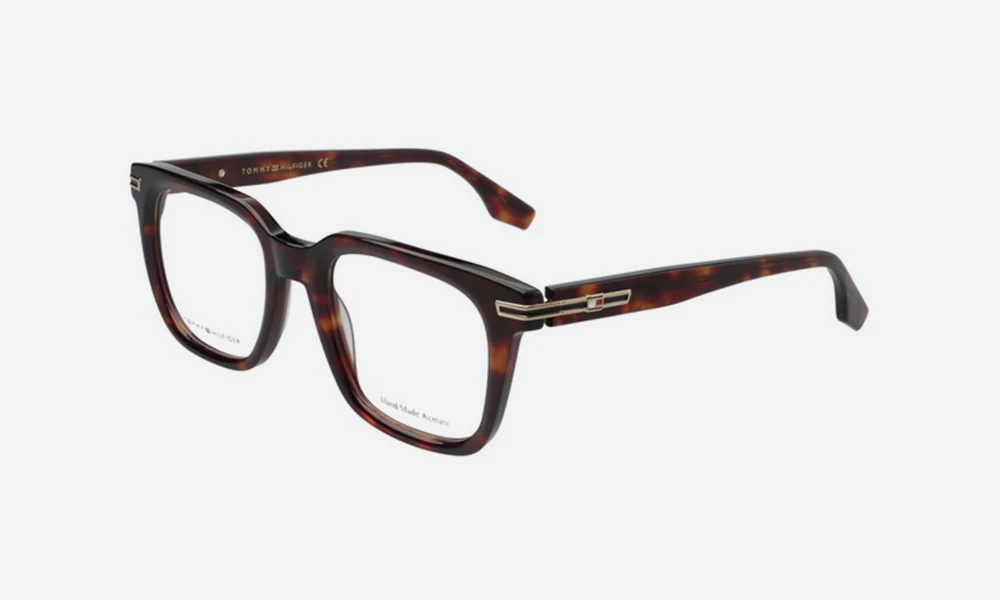
Content creation often begins with an unplanned moment. You may notice an interesting street scene, a useful product detail, or a family memory while your phone is still in your bag. AI-powered glasses make these moments easier to capture because the camera, microphones, speakers, and voice controls are built into wearable frames. Instead of holding a phone, users can record from their natural point of view while keeping their hands free.
Why AI Glasses Suit Everyday Content Creation
A First-Person View
Traditional phone videos show what the person holding the phone chooses to frame. Smart glasses record from close to the wearer’s eye level, creating a natural first-person view.
This style can work well for:
- Cooking demonstrations
- Walking tours and travel clips
- Craft and repair tutorials
- Fitness routines
- Behind-the-scenes content
- Family activities and pet videos
The result can feel more immediate because viewers see the activity from the creator’s perspective. However, the wearer still needs to move slowly and consider composition. Looking around too quickly can make a video difficult to watch.
Taking Photos Without Reaching for a Phone
Capturing Short, Natural Moments
AI-powered glasses can take a photo through a voice command or a physical capture button. Ray-Ban Meta Gen 2 models use a 12-megapixel ultrawide camera, allowing users to photograph what they are seeing without holding another device.
This can help creators capture moments that may disappear before a phone camera is ready. Examples include a pet reacting to a sound or a chef adding the final touch to a dish.
Hands-free capture does not remove the need for good photography habits. Better results usually come from facing the subject, keeping the head steady, and checking the lighting. Creators should also review the image later because the framing may differ from what they expected.
Recording Videos From Your Point of View
Useful for Tutorials and Daily Vlogs
Current Ray-Ban Meta Gen 2 glasses can record video at up to 3K resolution, while the built-in microphone system captures surrounding sound. The portrait-style viewpoint also suits short-form social platforms.
For tutorials, creators can demonstrate a task with both hands visible. A baker can shape dough, a mechanic can point to a component, and an artist can show each stage of a drawing without arranging a tripod.
The glasses are also practical for quick daily vlogs. A creator can record a market visit, a neighbourhood walk, or preparations before an event. Clips can later be transferred to the companion app for reviewing and sharing.
Using Voice Control During Busy Moments
Simple Commands Reduce Interruptions
Voice control allows users to start a photo or video while their hands are occupied. Commands can also support calls, messages, and media controls, depending on connected services and local feature availability.
For creators, this means less time moving between a phone, camera, and audio device. Someone might begin recording while preparing food or walking through an exhibition.
Voice control works best when commands are clear and the area is not too loud. Creators should still check battery level, storage, internet access, and app permissions before an important recording.
Planning Better Content With AI Assistance
Use AI as a Helper
Some smart glasses can answer questions, provide suggestions, support translation, and respond through an AI assistant. Access can vary by country, language, account, and software version.
Creators may use the assistant to:
- Brainstorm a caption
- Recall a filming idea
- Ask about a place
- Translate basic phrases
- Create a shoot checklist
AI responses should still be reviewed. Important facts, names, prices, and directions may need separate verification before publication.
Remember Privacy and Social Courtesy
Tell People When You Are Recording
Hands-free cameras can feel less obvious than phones. Ray-Ban Meta glasses include a capture light that signals when the camera is operating, but users should not depend on the light alone.
Ask permission before recording people in private settings, workplaces, schools, shops, or events. Avoid capturing personal documents, private conversations, payment screens, and anyone who has asked not to appear.
Creators should also follow local rules and platform policies. A useful video is not worth damaging another person’s privacy or trust.
Choosing Glasses That Fit Daily Use
Comfort and Vision Still Matter
Smart features are only useful when the glasses are comfortable enough to wear regularly. Frame fit, lens type, prescription needs, charging habits, and intended use should all be considered.
Spectacle Hut lists Ray-Ban Meta styles, including models designed for prescription wearers and options involving clear, blue-light, or Transitions lenses. When comparing AI smart glasses, users should consider both the technology and the quality of everyday vision.
Creating More Naturally With Wearable Technology
AI-powered glasses can make content creation faster, more natural, and less dependent on holding a phone. They are especially useful for first-person tutorials, short videos, travel moments, and spontaneous photos.
The best results still come from thoughtful habits. Stable movement, suitable lighting, clear audio, careful editing, and respect for privacy remain essential. When these habits are combined with hands-free tools, everyday experiences can become useful and engaging content.
