

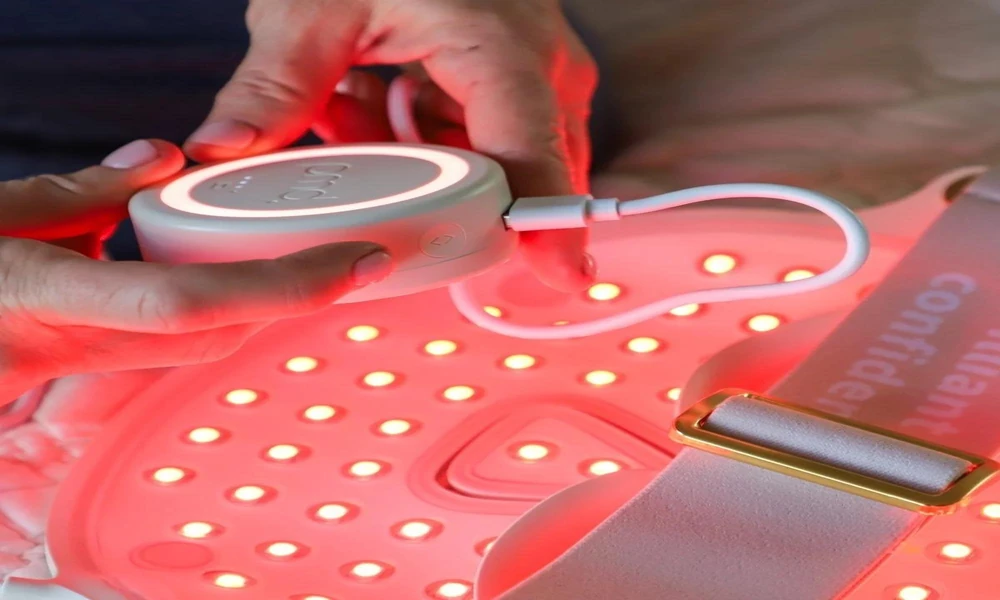
Skincare technology has changed the way people approach their daily routines. Alongside cleansers, moisturizers, serums, and sunscreen, at-home beauty devices have become increasingly popular among people who want to explore additional ways to care for their skin. LED light therapy is one example. Once primarily associated with professional skincare settings, LED devices are now available in wearable formats designed for home use.
However, choosing a light therapy device requires more than looking at product photographs or marketing claims. Understanding the different light wavelengths, the concerns they are designed to address, and the importance of safe use can help consumers make more informed decisions.
What Is LED Light Therapy?
LED stands for light-emitting diode. In skincare, LED devices deliver specific wavelengths of light to the skin. Different wavelengths interact with the skin in different ways, which is why devices may offer red, blue, near-infrared, or combined light settings.
Unlike ultraviolet light, LED light therapy does not rely on UV exposure. It is generally considered a non-invasive skincare approach, although the results and suitability can vary depending on the device, its specifications, and the individual using it.
LED treatments are commonly discussed in relation to two broad skincare goals: improving the visible appearance of aging skin and supporting the appearance of clearer skin. It is important to understand that these devices are not a replacement for professional diagnosis or established dermatological treatments.
Understanding the Different LED Light Colors
The color of light is not simply a design feature. It represents a particular wavelength, and that wavelength influences how the device is intended to interact with the skin.
Red Light for the Appearance of Aging Skin
Red light is frequently associated with skincare routines focused on visible signs of aging. Research into red-light photobiomodulation has examined its potential effects on skin appearance, including fine lines and other visible changes.
Some devices combine red light with near-infrared light. These wavelengths are different, even though they may be offered together in one treatment setting. Red light is visible, while near-infrared light is outside the range of human vision.
People considering this type of treatment should look for clear information about the wavelengths used rather than relying on broad descriptions such as anti-aging technology.
Blue Light for Blemish-Prone Skin
Blue light is commonly used in devices designed for blemish-prone skin. Certain blue wavelengths have been studied for their interaction with acne-associated bacteria and their potential role in supporting clearer-looking skin.
However, blue light should not be treated as a universal solution for acne. Breakouts can have several causes, and persistent, painful, or severe acne may require a treatment plan recommended by a dermatologist.
Near-Infrared Light for Additional Skin Support
Near-infrared light is often paired with red light in advanced LED skincare devices. Because it has a longer wavelength than visible red light, it interacts with tissue differently.
Consumers should check the actual wavelength specifications and intended use of a device. A product that simply advertises multiple light colors without explaining its technology may not provide enough information for a meaningful comparison.
What Should You Look for in an At-Home LED Mask?
The growing number of home skincare devices makes product selection particularly important. Two masks may look similar but differ considerably in their light output, coverage, treatment settings, materials, and safety features.
- Wavelength information: Look for clearly stated wavelengths rather than vague descriptions of light colors.
- Coverage: Consider whether the device is designed to provide consistent light exposure across the intended treatment area.
- Adjustable settings: Multiple intensity levels may allow users to select from the available treatment settings according to the manufacturer’s instructions.
- Eye protection: Check what protection is built into the device and whether additional protection is required.
- Comfort and fit: Flexible materials and adjustable straps can make a wearable mask easier to position.
- Cleaning requirements: A surface that is straightforward to clean can make regular maintenance more manageable.
- Product documentation: Review the instructions, warranty information, intended use, and relevant regulatory status before purchasing.
These details are more useful than choosing a device based on appearance or the number of features listed in an advertisement.
How to Incorporate LED Therapy into a Skincare Routine
An at-home light therapy device should fit into a routine that already supports basic skin health. It does not need to replace familiar skincare steps or introduce a complicated collection of products.
Start by reading the manufacturer’s instructions. Different devices may have different treatment durations, frequencies, and preparation requirements. Do not assume that a longer session or higher intensity will produce better results.
For many wearable devices, the general routine involves preparing the skin, positioning the mask correctly, selecting the appropriate setting, and allowing the treatment to finish according to its programmed duration.
A practical routine may include:
- Cleanse the face to remove makeup, sunscreen, and surface residue.
- Dry the skin if the manufacturer’s instructions require a clean, dry surface.
- Position the device carefully and secure it according to the fitting instructions.
- Select the appropriate mode and intensity.
- Complete the session without extending the recommended treatment time.
- Follow the device’s cleaning and storage instructions.
- Apply suitable skincare products afterward if recommended by the manufacturer.
For readers refining their everyday makeup preparation, this guide on how face concealer fits into your everyday makeup routine offers another perspective on organizing skincare and makeup steps.
Why Treatment Consistency and Realistic Expectations Matter
One of the most common mistakes with at-home beauty technology is expecting immediate, dramatic changes. Skincare outcomes are influenced by many factors, including age, skin condition, existing routines, lifestyle, and the characteristics of the device.
Clinical research into at-home LED treatments has explored possible improvements in visible skin features. For example, a randomized, double-blind study published in Medicine in 2025 investigated the efficacy and safety of a home-used LED and infrared mask for crow’s feet. Such research contributes to the growing evidence base, but the findings from one device or study should not automatically be applied to every product on the market.
A useful approach is to follow the recommended schedule, avoid changing several skincare variables at once, and evaluate changes over a reasonable period. Taking photographs under similar lighting conditions may also help users compare visible changes more consistently.
Most importantly, an LED device should be viewed as a possible addition to a broader skincare routine, not a guaranteed shortcut to a particular complexion.
Understanding Safety Before Using an LED Device
Safety deserves as much attention as product features. Although many at-home LED devices are designed for consumer use, they should always be operated according to their specific instructions.
The American Academy of Dermatology explains that at-home red-light devices are available in different forms and that short-term use generally appears safe. It also notes that mild temporary irritation or discomfort can occur. The organization recommends following device instructions and using the specified eye protection.
Before starting a new device, consider the following precautions:
- Read the complete user manual before the first session.
- Follow the recommended treatment duration and frequency.
- Use the eye protection specified by the manufacturer.
- Do not use a damaged device or one with unclear operating instructions.
- Stop using the device if you experience unexpected discomfort or irritation.
- Consult a qualified dermatologist if you have a skin condition, take medication that increases light sensitivity, or are unsure whether light therapy is appropriate for you.
The FDA’s clearance terminology also deserves attention. According to the American Academy of Dermatology, FDA clearance indicates that a device has been considered to pose a low risk to the public; it does not, by itself, establish how effective the device will be for every user.
Anyone with persistent skin concerns should seek professional advice instead of relying exclusively on an at-home beauty device.
Exploring Modern At-Home LED Technology
Modern LED masks combine several design features intended to make light therapy more convenient. Flexible materials, adjustable intensity, hands-free positioning, and rechargeable controllers are among the features consumers may encounter when comparing products.
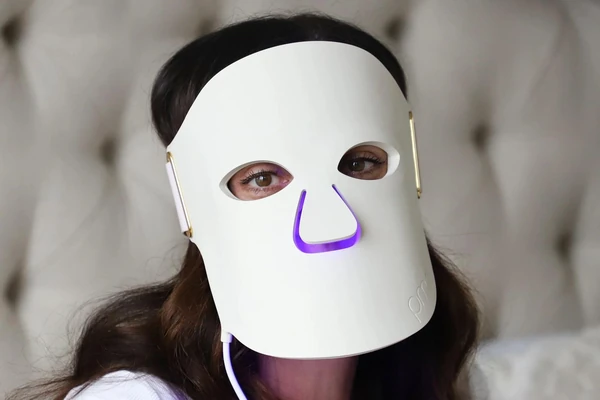
For example, the led light therapy mask from PMD Beauty is designed with 201 medical LEDs arranged across 67 light zones. Its listed wavelengths include 630nm red light, 880nm near-infrared light, and 415nm blue light. The device also features three adjustable intensity levels, flexible silicone construction, built-in eye protection, and a hands-free headband.
The mask is designed to provide full-face coverage, including the nose and lip areas. Its treatment system offers red plus near-infrared, blue, and combination modes, with a programmed 10-minute session.
These specifications provide useful details for consumers comparing different devices. Rather than focusing on the number of advertised benefits, shoppers can evaluate the actual wavelengths, coverage, materials, controls, and instructions to decide whether a product’s design matches their preferences.
Making a More Informed Skincare Technology Choice
LED light therapy has become an interesting part of the wider at-home skincare market. Its appeal comes from the combination of wearable technology, different light wavelengths, and the possibility of adding a short treatment session to an existing routine.
Still, a thoughtful purchase begins with realistic expectations. Consumers should understand what each light setting is intended to do, check the manufacturer’s documentation, consider safety requirements, and compare products using measurable specifications.
A well-planned skincare routine remains built around consistent fundamentals, including gentle cleansing, suitable moisturization, and daily sun protection. An LED device may complement those habits when appropriate, but it should not replace professional care or evidence-based treatments.
The best choice is not necessarily the mask with the most features or the strongest marketing language. It is the device whose specifications, instructions, comfort, and intended use make sense for the individual using it.
